
Will Homeowners Insurance Pay for Roof Repair in Lakewood, CO?
Introduction
A hailstorm rolls through, and your roof looks fine from the driveway. But underneath those shingles could be thousands of dollars in damage. So will homeowners insurance pay for roof repair? The short answer is yes, in most cases, when the damage comes from a sudden event like hail, high wind, or fire. Age and neglect are a different story, and insurers know the difference.
Colorado sits in one of the country's most active hail corridors, and Jefferson County sees its share of that weather every summer. This guide breaks down what your policy usually covers, why some claims get denied, and how to file one correctly here in Lakewood. We'll also cover your deductible and the gap between an actual cash value payout and a full replacement cost payout. By the end, you'll know where your damage likely stands and what to do next..

Does Homeowners Insurance Cover Roof Repair?
Most homeowners insurance pays for roof repair when the damage comes from a sudden, covered event. Think hail, high wind, fire, or a fallen tree limb. Lakewood sits in Colorado's hail-heavy Front Range corridor, so most local claims start with a storm.
Typically covered:
- Hail damage to shingles, flashing, and vents
- Wind damage such as lifted or missing shingles
- Fire or falling-object damage
- Interior damage caused by a covered roof leak
Typically excluded:
- Roof age and normal wear
- Damage from lack of maintenance
- Slow leaks that built up over time
Your exact coverage depends on your policy's declarations page and any endorsements attached to it. A local inspection can confirm whether your damage matches a covered event.
Not sure which category your damage falls into?
Schedule a roof repair inspection in Lakewood, CO before you file a claim.
What Homeowners Insurance Usually Covers for Roof Damage
Sudden, accidental damage is the category insurers pay fastest. Hail, high wind, fire, and falling limbs all fall under this umbrella. If a storm caused it in one afternoon, there's a good chance your policy responds.
Lakewood's spot in Colorado's hail corridor means most local roof claims start the same way: a summer storm rolls through, and shingles take a beating. Coverage often reaches past the roof deck too. Ceiling stains, soaked insulation, and other interior damage caused by a covered roof event usually fall under the same claim.
But every policy is different. Covered perils, endorsements, and exclusions vary by carrier. Check your declarations page before you assume anything.
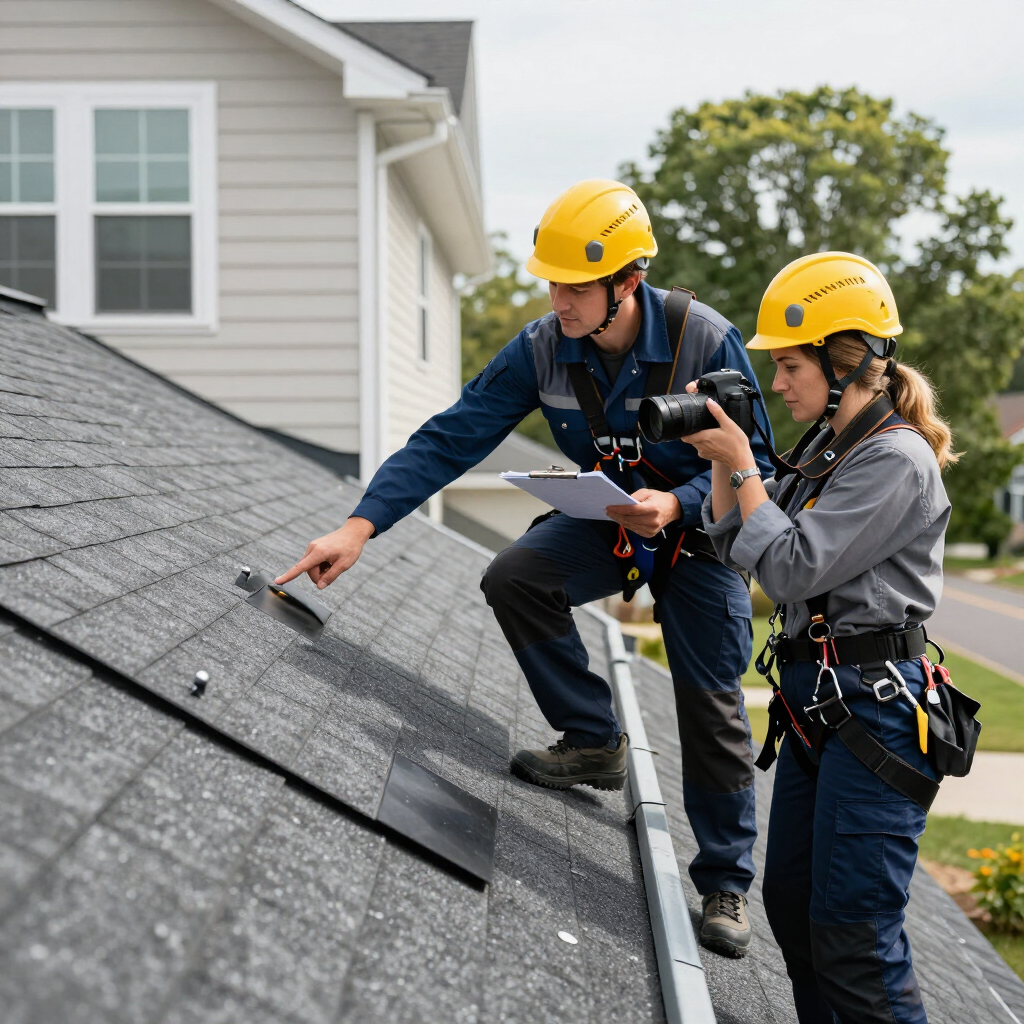
One thing we see constantly on Lakewood roofing calls: a homeowner figures hail damage is only cosmetic, until we get on the roof and find granule loss and dented soft metal the eye can't catch from the ground. That's exactly the kind of damage an adjuster needs on record.
What's Usually Not Covered (and Why Claims Get Denied)
Coverage has limits, and knowing them saves you time. Gradual wear, an aging roof, and skipped upkeep sit outside what a standard policy pays for. Insurers treat these as the homeowner's job, not a claimable event.
Pre-existing damage causes trouble too. If damage sat unreported for months, an adjuster may point to that gap and deny a newer claim. Report damage as soon as you spot it.
Some policies also exclude cosmetic-only damage through an added endorsement, often on metal roofing. Dents that don't affect how the roof performs might not get paid, even after a real hailstorm.
And Colorado's freeze-thaw swings don't help. Our winters shift between thaw and freeze often enough that roofs take on slow, layered wear that's hard to pin on one storm. That kind of gradual damage rarely qualifies on its own.
What homeowners don't realize is that filing too early, before the damage is fully documented, can hurt a claim almost as much as filing too late.
Signs Your Roof Damage Likely Qualifies for a Claim
Before you call your insurer, take a look at what you're dealing with. A few signs point toward a claim that's likely to get approved.
- Hail bruising, granule loss, or dented vents and flashing tied to a specific storm date
- Missing, cracked, or lifted shingles after a high-wind event
- New interior leaks that showed up shortly after a storm
Matching your damage to a known local storm date makes a real difference. Adjusters want a clear cause, not just general wear.
If you're seeing any of these signs, get your damage inspected before you file. A professional look now can save you a denied claim later.
How to File a Roof Insurance Claim in Lakewood, CO
Filing correctly matters as much as the damage itself. Here's the order that gets the best results.
- Take dated photos and video of the damage before you tarp it or patch it
- Call your insurance carrier and request an adjuster appointment
- Schedule an independent roofing inspection to compare against the adjuster's findings
- Watch for storm-chasing contractors, and check licensing before you sign anything
- Keep written records of every call, estimate, and approval
So don't skip step three. An independent inspection gives you a second opinion before you agree to a number. If you'd rather have hands-on help through the whole process, our team can
get hands-on help with your insurance claim from the first photo to the final approval.
Deductibles, ACV vs. RCV, and What You'll Pay Out of Pocket
Even an approved claim comes with costs. Many Colorado policies carry a separate wind or hail deductible, set as a percentage of your dwelling coverage rather than a flat dollar amount. That number can run higher than your usual deductible, so check your policy before you budget.
Then there's the payout itself. Actual Cash Value pays the depreciated worth of your roof. Replacement Cost Value pays for a full replacement. RCV policies usually release a second payment, known as recoverable depreciation, once the repairs are finished.
| Payout Type | What It Covers | When You Get Paid |
|---|---|---|
| Actual Cash Value (ACV) | Depreciated value of your roof | One payment, upfront |
| Replacement Cost Value (RCV) | Full replacement cost | Initial payment, plus a second payment once work is done |
A written estimate from a licensed local contractor backs up your claim's value. Adjusters take a written number more seriously than a guess.
Ready to see where your numbers land?
Get a Lakewood roof repair estimate before you settle with your insurer.
Why a Local Lakewood Roofer Makes the Claims Process Easier
A roofer who knows Lakewood knows more than shingles. We know City of Lakewood and Jefferson County permitting, so your repair doesn't stall on paperwork.
HOA rules add another layer in communities like Belmar and Solterra, where design review can dictate materials and colors during a claim-driven reroof. Missing that step can delay a project for weeks.
And working with adjusters every week means we know how to lay out a claim so the scope and pricing hold up. That experience often closes the gap between what an adjuster first offers and what the job actually needs.
Request your Lakewood roof repair estimate today, and let's get your claim moving.
Schedule your inspection here.