Is $30,000 Too Much for a Roof in Lakewood? What Actually Drives the Price
Introduction
A hailstorm rolls through, and a week later you're holding a $30,000 roofing quote. Your stomach drops a little. Is that normal for Lakewood? Or did someone see a nice house and pad the number?
So is $30,000 too much for a roof? Sometimes yes. Sometimes no. It depends on your home's size, your roof's shape, and the materials your contractor is proposing.
By the end of this page, you'll know exactly where your quote stands. We'll walk through what pushes roof prices up in Colorado, why hail changes the math here more than in most states, and how to spot a red flag before you sign anything..

Is $30,000 Too Much for a Roof?
$30,000 sits on the higher end for a Lakewood roof, but it isn't automatically overpriced. It's a fair price when it reflects:
- A large roof, a steep roof, or one with lots of valleys and dormers
- Impact-resistant Class 4 shingles built for Front Range hail
- A full tear-off of multiple old roofing layers
- Permit costs and work from a licensed, insured contractor
If your roof is small and simple and the shingles are basic, $30,000 may be high. Get a second quote and compare it line by line. Want to check your number against a real local breakdown? See
is $30,000 too much to pay for a new roof in Lakewood, CO.
What's the Average Cost of a New Roof in Lakewood, CO?
Roof prices in the Lakewood and Denver metro area cover a wide range. Size is the biggest factor. But pitch and roof shape matter just as much.
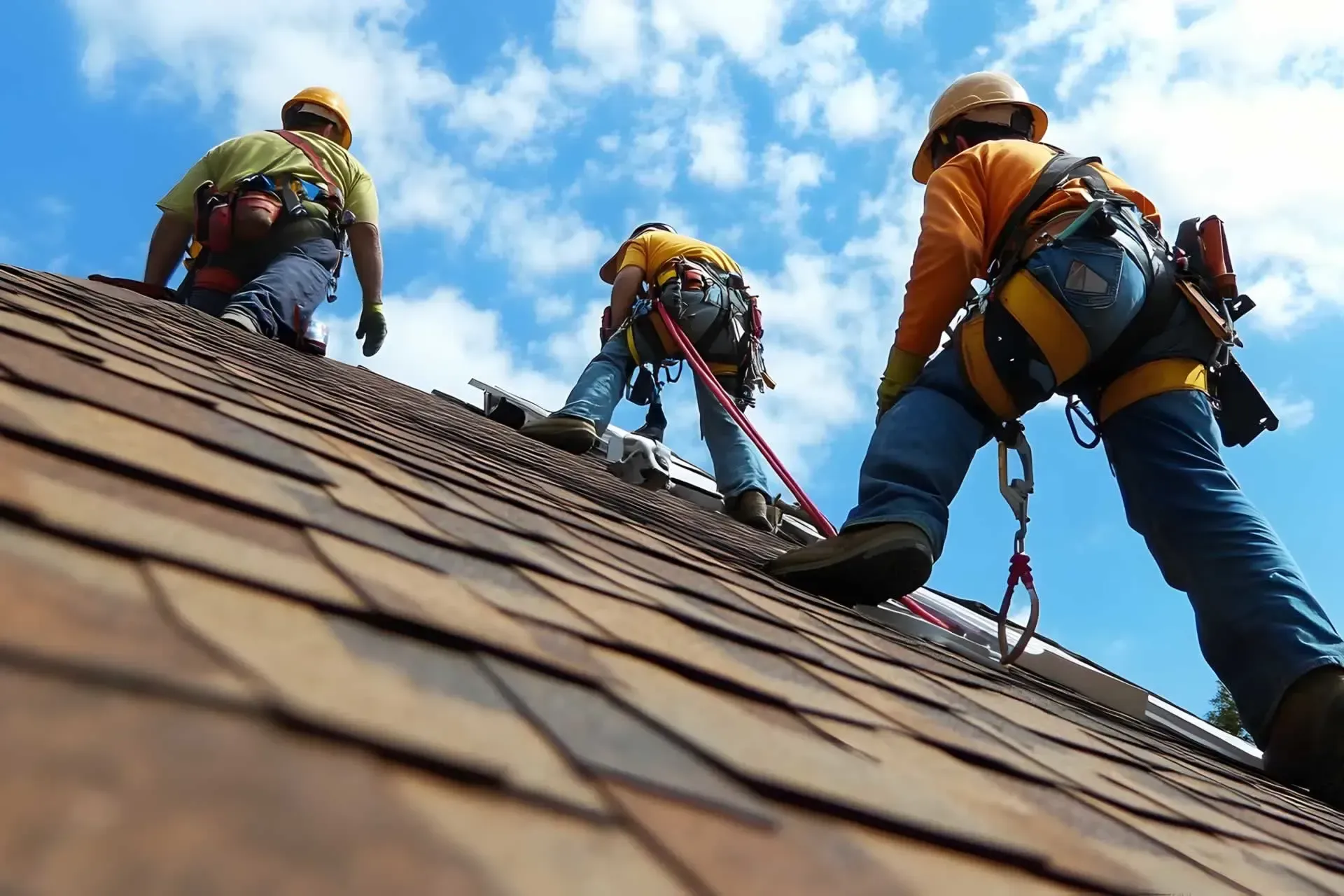
A steep roof takes longer to work on safely. Crews move slower, and that adds labor hours. A roof with lots of valleys, dormers, or chimneys needs more flashing and more cuts, too..
| Material | Relative Cost | Typical Lifespan |
|---|---|---|
| Asphalt Shingles | Lowest cost | 10-20 years |
| Metal | Mid to high cost | 50-75 years |
| Tile | High cost | Several decades or more |
| Slate | Highest cost | 125-200 years |
$30,000 usually sits toward the upper-mid to high end of the local range. But "average" hides a lot. Two homes on the same street can get very different quotes based on square footage alone.
One thing we see constantly on Lakewood calls: homeowners compare their quote to a neighbor's without knowing the neighbor's roof is half the size. That single detail explains most of the confusion..
What Drives Roof Replacement Costs Up in Colorado
A handful of factors raise the price on almost every job we quote. None of them are hidden fees. They're just real costs tied to doing the work right.
- Roof size and stories. More square footage means more material and more labor hours.
- Steep pitch or complex lines. Dormers, valleys, and chimneys slow the crew down.
- Number of old layers. Tearing off two or three layers costs more than one clean tear-off.
- Material tier. Basic asphalt shingles cost less than architectural or premium lines.
- Permits and code upgrades. Jefferson County and Lakewood permitting can require code updates on older homes.
And that last point catches people off guard. A roof built in the 1970s may need decking or ventilation upgrades just to meet current code, and that adds to the bottom line.
Why Hail and Impact-Resistant Shingles Change the Price
This is the factor that explains most $30,000-plus quotes in our area. Lakewood sits inside what's often called Hail Alley along the Front Range. Storms here hit roofs harder and more often than in most of the country.
Because of that, many homeowners and insurers push for Class 4 impact-resistant shingles. These shingles cost more upfront than standard asphalt. But they hold up better against hail, and some insurance carriers offer a premium credit for installing them. Check with your carrier for your exact numbers.
Standard shingles vs. Class 4 impact-resistant shingles:
- Standard: lower upfront cost, more vulnerable to hail bruising and granule loss
- Class 4: higher upfront cost, built and rated to resist impact damage
- Class 4 shingles carry a rating from IBHS, the industry group behind impact-resistance testing
What homeowners don't realize is that a hail-damaged roof often gets upgraded to Class 4 during the insurance claim process, not before it. So the shingle class quoted on your job may already reflect a decision your insurer expects..
Is $30,000 High, Average, or Fair for Your Home?
Here's a quick self-check before you decide your quote is out of line.
- Check your roof size. A bigger roof costs more. Compare square footage, not house size.
- Check the shingle class. Ask exactly which shingle brand and class is quoted.
- Check the scope. Does the price include tear-off, decking repair, and code upgrades?
- Check the funding source. Is this insurance-funded, or fully out of pocket?
If your roof is large, steep, or getting Class 4 shingles, $30,000 can be a fair price. But if your roof is small and simple with standard shingles, ask your contractor to explain the gap.
Want the full local number breakdown?
See the full Lakewood roof cost breakdown before you sign anything..
Red Flags vs. Legitimate Reasons for a Higher Quote
Not every high number is a bad number. But some warning signs mean you should slow down and ask more questions.
| Red Flags | Legitimate Reasons |
|---|---|
| One-line quote with no material or labor breakdown | Itemized quote showing tear-off, materials, and labor separately |
| No proof of Colorado DORA licensing or insurance | Contractor can show license and insurance on request |
| "Today-only" pricing or pressure to sign fast | Time to review the quote and ask questions |
| No mention of permits or warranty | Permit costs and warranty terms spelled out clearly |
A trustworthy Lakewood quote should read like a plan, not a guess. If it names the shingle brand, the scope of work, and the warranty length, that's a strong sign. If it's just one total number, ask for more detail before you sign.
Getting a Fair, Accurate Quote for Your Lakewood Roof
A real, itemized quote for your Lakewood roof should show the shingle brand and class, the scope of tear-off, permit costs, and warranty terms. It should never be a single vague number.
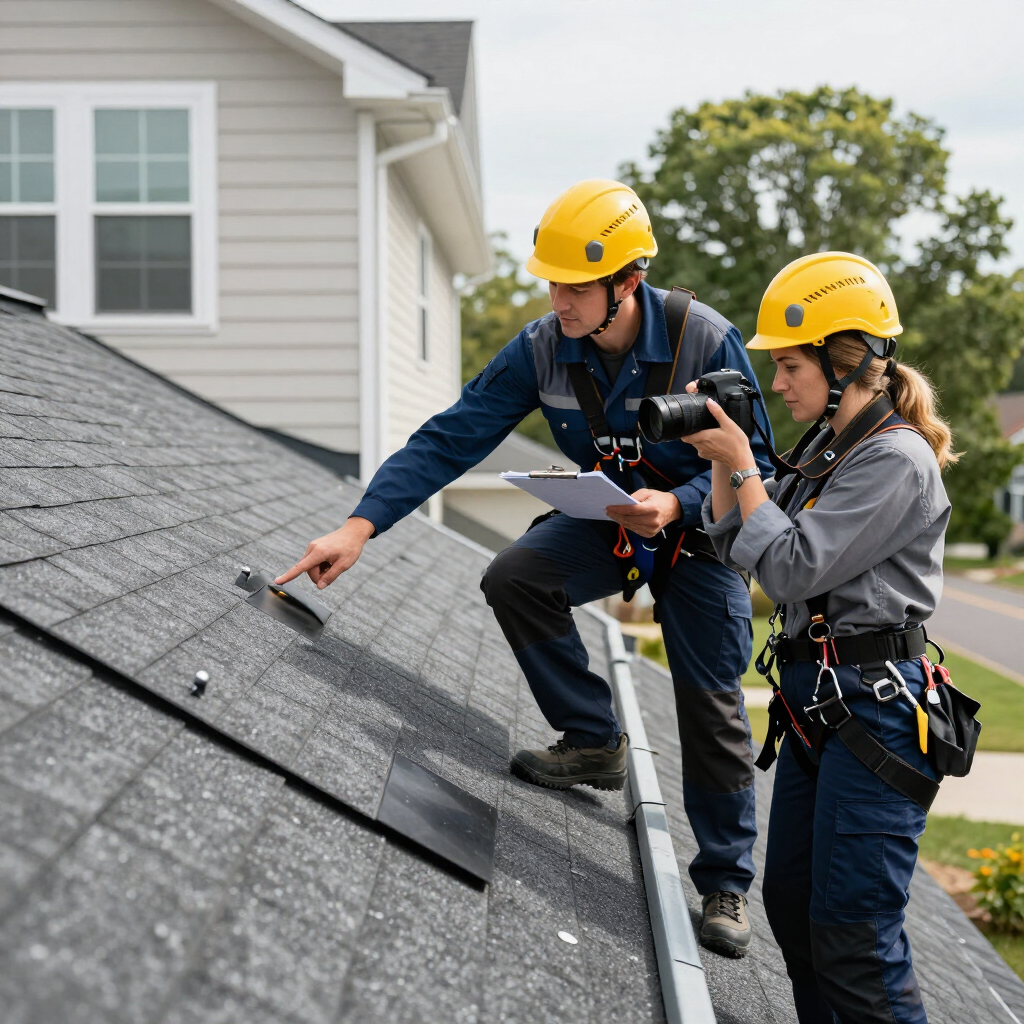
An in-person inspection beats a phone estimate every time. A contractor standing on your roof can see the pitch, the layers, and the flashing condition that a phone call simply can't capture.
So here's the short version: $30,000 can be fair or high, and it comes down to size, materials, scope, and whether Class 4 shingles are part of the job. The only way to know for sure is to compare your number against a real, local breakdown.