How Often Should a Roof Be Replaced in Colorado's Climate?

June 12, 2026

Introduction

Colorado sits in one of the most active hail corridors in the country — a stretch researchers call "Hail Alley." For homeowners in Lakewood, that fact alone changes how often a roof needs to be replaced compared to national averages. The guides that say a roof lasts 25–30 years weren't written for the Front Range.


This article answers exactly how often a roof should be replaced in Colorado's climate — with specific timelines, warning signs, and local factors every Lakewood homeowner should know. We've been working on roofs across Lakewood and the surrounding area long enough to know that Colorado is a different animal.


We'll cover how Colorado's weather shortens roof life, how long different materials actually last here, signs it's time to replace rather than repair, and what waiting too long will cost you. By the end, you'll know exactly where your roof stands.

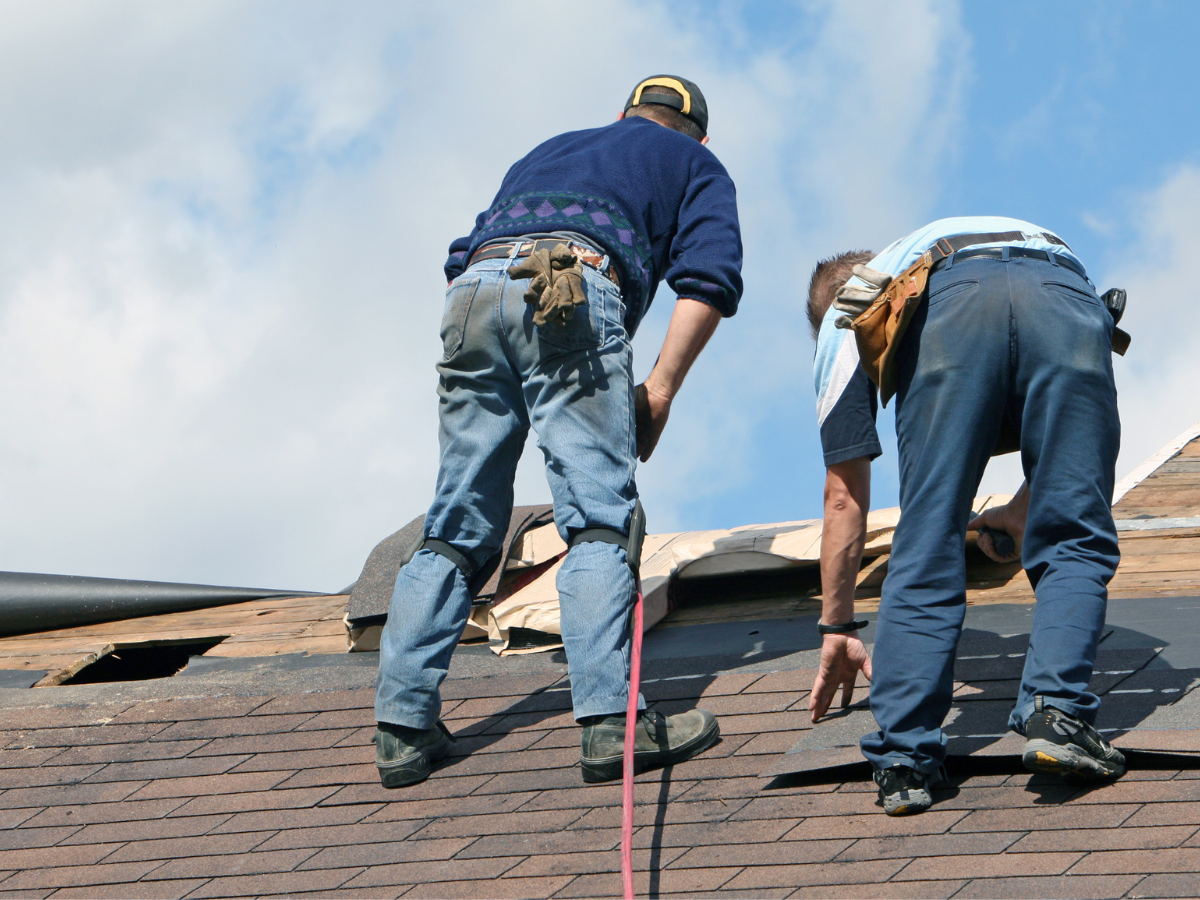
Two men working on replacing roof in lakewood, colorado.

Quick Answer: How Often Should a Roof Be Replaced in Colorado's Climate?

In Colorado's climate, most asphalt shingle roofs should be replaced every 15–20 years — significantly sooner than the 25–30 year national average. Hail storms, intense UV exposure at higher elevations, rapid freeze-thaw cycles, and heavy spring snowloads all accelerate shingle wear on the Front Range.


In Lakewood specifically, roofs that have taken multiple large hail events may need replacement even sooner — regardless of age.


Ready for a professional assessment? See your options for roof replacement in Lakewood CO.

Why Colorado's Climate Is Harder on Roofs Than Most States

Colorado doesn't just have bad weather sometimes. It has multiple, overlapping weather stressors that hit roofs from every direction — often in the same week.


Hail Alley Is Real

Colorado sits inside one of the most hail-active regions in the United States. The stretch running from Texas up through Nebraska — with Colorado squarely in the middle — sees more hail events per year than nearly any other part of the country. Lakewood isn't immune. We see roofs here that have taken two or three significant hail events in under a decade.


UV Intensity at Elevation

Lakewood sits at roughly 5,400 feet. That elevation matters more than most homeowners realize. UV radiation increases with altitude, and that intensity degrades the asphalt binders in shingles faster than it would at sea level. A roof aging normally in a lower-elevation climate is aging faster here — even on clear, sunny days.


Freeze-Thaw Cycles

Colorado can swing more than 40°F in a single day. That's not unusual — it happens regularly. Every time your roof heats up and cools down that dramatically, the materials expand and contract. Over years, that movement breaks down seals, loosens flashing, and causes shingles to crack and curl.


Spring Snowload

Heavy, wet spring snow adds serious weight to a roof. Standard roofing estimates are often built around drier, lighter snow. Colorado's spring snowstorms don't follow that rule.


One thing we see constantly on Lakewood calls is granule loss on 12-year-old roofs that would still have years of life left in a milder climate. The combination of hail hits, UV, and freeze-thaw just wears them down faster than the warranty timelines suggest.

Spring Roof Replacement in Lakewood — Pros, Cons, and Timing Tips

Here's how the major roofing materials actually perform in Colorado's climate — not the national averages printed on spec sheets.

Material National Average Colorado Average Key Risk Factor
Asphalt 3-tab shingles 20-25 years 15-18 years Hail, UV, freeze-thaw
Architectural/dimensional shingles 25-30 years 20-25 years Hail impact, granule loss
Metal roofing 40-70 years 40-70 years Hail denting (cosmetic)
Tile roofing 50+ years 50+ years (with caveats) Hail impact cracking
Slate roofing 75-100 years 75-100 years (with caveats) Hail impact cracking

3-tab asphalt shingles are the most common and the most vulnerable. They carry a 20–25 year rating nationally, but in Colorado you're realistically looking at 15–18 years — and less if you've taken multiple hail events.


Architectural shingles are thicker and more impact-resistant. They hold up better, but Colorado still shortens their life compared to the national average. Regular maintenance keeps them closer to the top of that 20–25 year range.


Metal roofing is the strongest long-term performer in Colorado's climate. Hail can cause cosmetic denting, but metal doesn't lose granules, doesn't crack in freeze-thaw, and holds up under snowload. The upfront cost is higher — the long-term math often works in its favor here.


Tile and slate are durable materials, but they have one real weakness in Colorado: hail impact cracking. A large hailstone can fracture a tile or slate panel cleanly. And that's not a patch-and-move-on problem — it typically means section replacement.

Warning Signs It's Time for Roof Replacement (Not Just Repair)

Some roof problems are repairs. Others are signs that the roof itself is done. Knowing the difference saves you money — because throwing repair money at a failing roof is just delaying the inevitable at higher cost.


Here's what to look for:

  1. Granule loss in gutters or downspouts. Dark streaks or granule buildup at the base of your downspouts means shingles are breaking down. Once a shingle loses its granule layer, it degrades fast.
  2. Post-hail bruising. After a hail event, soft spots or visible dents on shingles indicate damage to the mat layer beneath the granule surface. This isn't cosmetic — it compromises the shingle's ability to shed water.
  3. Sagging or daylight in the attic. If you can see light through the roof deck or notice any sag in the roofline, that's a structural problem. No repair addresses it adequately.
  4. Multiple leak points across different sections. One leak is often a repair. But leaks showing up in three or four different locations tells you the roof is failing broadly — not just at one spot.
  5. Age plus hail history. If your roof is 15 or more years old and has been through two or three Lakewood hail seasons, the cumulative damage often makes replacement more cost-effective than ongoing patching.


But we inspected a home in Lakewood last spring where the owner was certain they needed one patch repair. We found three separate hail bruise zones on different sections of the roof. The math on patching didn't work — replacement was the only path that made financial sense.


If you're seeing any of these signs, get a professional assessment: Lakewood CO roof replacement.

The Real Cost of Waiting Too Long to Replace Your Roof

A failing roof doesn't hold steady until you get around to it. It gets worse — and the damage spreads to parts of your home that have nothing to do with roofing.


Interior Damage and Mold

Water that gets past a degraded roof doesn't stop at the ceiling. It soaks insulation, penetrates drywall, and creates the damp conditions mold needs to grow. What starts as a roofing cost becomes a roofing-plus-remediation cost.


Colorado's Insurance Claim Window

Colorado insurers typically require hail damage claims to be filed within one year of the event. Miss that window and you're paying for the replacement yourself — even if the damage was clearly caused by a storm. Waiting through one more season to "see how it does" can cost you the entire claim.


Repair Costs That Compound

Emergency repairs cost more than planned replacements on a per-square-foot basis. A small repair this spring, another one next fall, and a third one the following year — add those up and you've often spent more than a planned replacement would have cost, with nothing to show for it but a roof that still needs replacing.


Energy Efficiency

A degraded roof does a poor job of regulating your home's temperature. In Colorado, that means your HVAC system works harder in both summer heat and winter cold. The energy loss is real — and it shows up on your utility bills before you ever notice a leak.


Homeowners who wait one more winter after hail damage frequently face decking replacement on top of shingles — adding 20–30% to the total project cost. The roof deck absorbs moisture through the damaged shingles over that winter, and by spring it needs to be replaced before new shingles can go down.

How to Get a Roof Replacement Estimate in Lakewood, CO

Getting an estimate doesn't have to be complicated. But knowing what to expect — and what to ask — helps you make a better decision.


Professional Inspection vs. a Drive-By Estimate

A real inspection means someone gets on the roof. They check flashing, valleys, ridge lines, and penetrations — not just the surface. A drive-by estimate from the street can miss hail bruising entirely and undercount damage. Make sure whoever you call is putting eyes on the actual roof surface.


Questions to Ask Before You Sign

  • Are you licensed in Colorado? (Colorado requires roofing contractors to be registered with the state through DORA — the Division of Regulatory Agencies)
  • Do you carry general liability and workers' comp insurance?
  • Are you a certified installer for the shingle manufacturer you're recommending? Manufacturer certification matters for warranty coverage.


Document Hail Damage Before You Call

If you suspect recent hail damage, take photos before anyone touches the roof. Walk around the property and photograph:

  • Dents on gutters or downspouts
  • Damage to window screens or AC units
  • Any visible impact marks on the roof edge from ground level
  • The date of the storm (screenshot a weather report if you have one)


This documentation supports your insurance claim from the start.


What to Expect from the Replacement Timeline in Lakewood

Lakewood requires a permit for most roof replacements. Factor in a few days for permit processing. Material lead times vary by season — spring and early summer after hail season can mean longer waits on materials and crew scheduling. A reputable contractor will give you a realistic timeline upfront, not just tell you what you want to hear.


So if you've been putting off that assessment, this is a good time to get ahead of it. Contact us for trusted roof replacement in Lakewood CO.

Colorado's climate makes proactive replacement a smarter play than reactive repair. The hail, the UV, the freeze-thaw swings — they all work against you when you wait. The homeowners who come out ahead are the ones who get ahead of it, document their damage, and work with someone who actually knows what Front Range roofs go through.


Ready to find out where your roof stands? Get started with roof replacement in Lakewood CO.

Frequently Asked Questions

  • How long does a roof last in Colorado?

    Most asphalt shingle roofs in Colorado last 15–20 years — roughly 5–10 years shorter than the national average — because of hail exposure, high-elevation UV intensity, and repeated freeze-thaw cycles. Metal, tile, and slate last longer but carry their own risks in Colorado's hail climate.

  • What are the signs I need a roof replacement instead of a repair?

    Widespread granule loss, post-hail bruising across multiple sections, sagging, attic daylight, or leaks in more than one area of the home all point toward replacement rather than repair. A single isolated leak is often repairable; damage showing up in three or four spots on a roof that's 15+ years old usually isn't.

  • Does Colorado's hail damage affect insurance claims?

    Yes. Colorado homeowner policies typically require hail damage claims to be filed within one year of the event. If you miss that window, the insurer can deny the claim even if the damage is clearly storm-related. Getting an inspection promptly after any significant hail event protects your claim rights.

  • Is metal roofing worth it in Colorado?

    Metal roofing performs very well in Colorado's climate. It handles freeze-thaw cycles without cracking, sheds snow load efficiently, and doesn't lose granules under UV exposure. Hail can cause cosmetic denting depending on panel gauge, but it doesn't compromise the roof's function. The higher upfront cost is often offset by the longer lifespan and lower maintenance.

  • What should I ask a Lakewood roofer before signing a contract?

    Ask for proof of Colorado contractor registration through DORA, current insurance certificates for liability and workers' comp, and manufacturer certification for the products they're installing. Also confirm they pull the required Lakewood permits — a contractor who skips permits creates problems for you when you sell the home.

Your roof is too important to leave to chance. Whether you need a quick repair or a full replacement, Lakewood Roofing delivers the expertise, care, and integrity you deserve. Schedule your free estimate today by visiting lakewood-roofing.com or calling their friendly team.

How Much Does a New Roof Cost for a 2,000 Sq Ft House in Colorado?
June 11, 2026
A new roof for a 2,000 sq ft house in Colorado costs $8,000–$18,000. See what drives the price up in Lakewood and get a free on-site estimate today.
What Is the Best Time of Year to Get a Roof Replacement in Lakewood, Colorado?
June 11, 2026
When to Replace a Roof in Lakewood CO | Lakewood Roofing
Average Roof Replacement Cost in Colorado?
By Kumar kishor June 11, 2026
See what the average roof replacement cost in Colorado means for Lakewood homeowners. Compare prices by home size, material, and local labor rates.
How to Find a Trusted and Highly Rated Roofing Company in Lakewood, Colorado
June 8, 2026
Learn how to find a trusted and highly rated roofing company in Lakewood, CO. Check credentials, spot red flags, and read reviews before you hire.
Is $30,000 Too Much to Pay for a New Roof in Lakewood, CO?
June 8, 2026
A $30,000 roofing quote in Lakewood, CO may be fair — or not. Learn what drives roof replacement costs and how to spot an overpriced bid before you commit.
What Is the Average Cost to Fix a Roof in Lakewood, CO?
June 8, 2026
Roof repair costs in Lakewood CO range from $350 to $4,500+. Learn what drives your final price and how to find a licensed local contractor.
What Is the 25% Rule for Roofing and How Does It Affect Your Lakewood Roof Replacement?
June 8, 2026
The 25% rule for roofing affects Lakewood CO homeowners more than most. Find out when it triggers a full replacement and how to protect your claim.
What Are the Roofing Requirements and Permit Rules for Lakewood, CO?
June 8, 2026
Learn when a roofing permit is required in Lakewood, CO, what the building code covers, and why hiring a licensed roofing contractor protects your home.
Two men are working on the roof of a building in lakewood, Co.
May 16, 2025
Top 10 Reasons Lakewood Roofing Is Lakewood, CO’s Most Trusted Roofer
Three men standing on top of a building with a lakewood roofing logo in the corner
By Gary Magill February 17, 2025
Top 10 Roofing Tips Every Lakewood Colorado Homeowner Should Know