What Is Considered a Roofing Emergency in Lakewood, CO?
Introduction
A storm rolls through and you hear dripping in the attic. Is that an emergency, or can it wait until morning? Homeowners in Lakewood ask us this question all the time, and the answer depends on a few clear signs. This guide walks through exactly what counts as an emergency roof repair Lakewood CO situation, so you can act fast when it matters.
We serve homeowners across Lakewood, CO, and we know local roofs face real pressure from Front Range weather. Below, you'll find the warning signs to watch for, the safety steps to take right now, and how quickly local help can reach you.

What Counts as a Roofing Emergency?
A roofing emergency is any damage that puts your home, your belongings, or your family's safety at risk right now. You don't need to guess. Watch for these signs:
- Water actively leaking into your home
- Visible holes, missing sections, or exposed decking
- A sagging or bowing roofline
- Storm or hail damage that has broken the roof's seal
- Fallen tree limbs or heavy debris on the roof
- Damage happening during active snow, wind, or hail
If you see any of these, shut off power to affected areas if it's safe to do so. Place buckets to catch water. Then call a licensed roofer right away.
Need help now? Contact our team for emergency roof repair in Lakewood.
Signs Your Roof Damage Is a True Emergency
Not every roof problem needs a same-day fix. But some signs mean you can't wait. Knowing the difference protects your home and your budget.
Active interior leaking is the clearest signal. Water stains that spread fast mean the damage is getting worse by the hour. A sagging or bowing roofline is even more serious. It can point to structural failure, and that's never a wait-and-see situation.
Exposed decking or missing shingles leave your home open to the next rainstorm. So does hail or wind damage that has broken through the roof's outer layer. And if a tree limb or heavy debris has landed on your roof, treat it as urgent until a professional checks it out.
Storm Season and Roofing Risk in Lakewood, CO
Lakewood sits along the Front Range, and that comes with real roofing risk. Hail season typically runs through the late spring and summer months, and even a short storm can crack shingles or dent metal panels. Wind-driven storms roll off the foothills too, and they can lift shingles that look fine from the ground.
Winter brings a different threat. Freeze-thaw cycles let melted snow refreeze along the roof edge, which can lead to ice dams and water backing up under shingles. Older roofs in Lakewood's established neighborhoods often show wear from years of this cycle, making them more vulnerable when a storm hits.
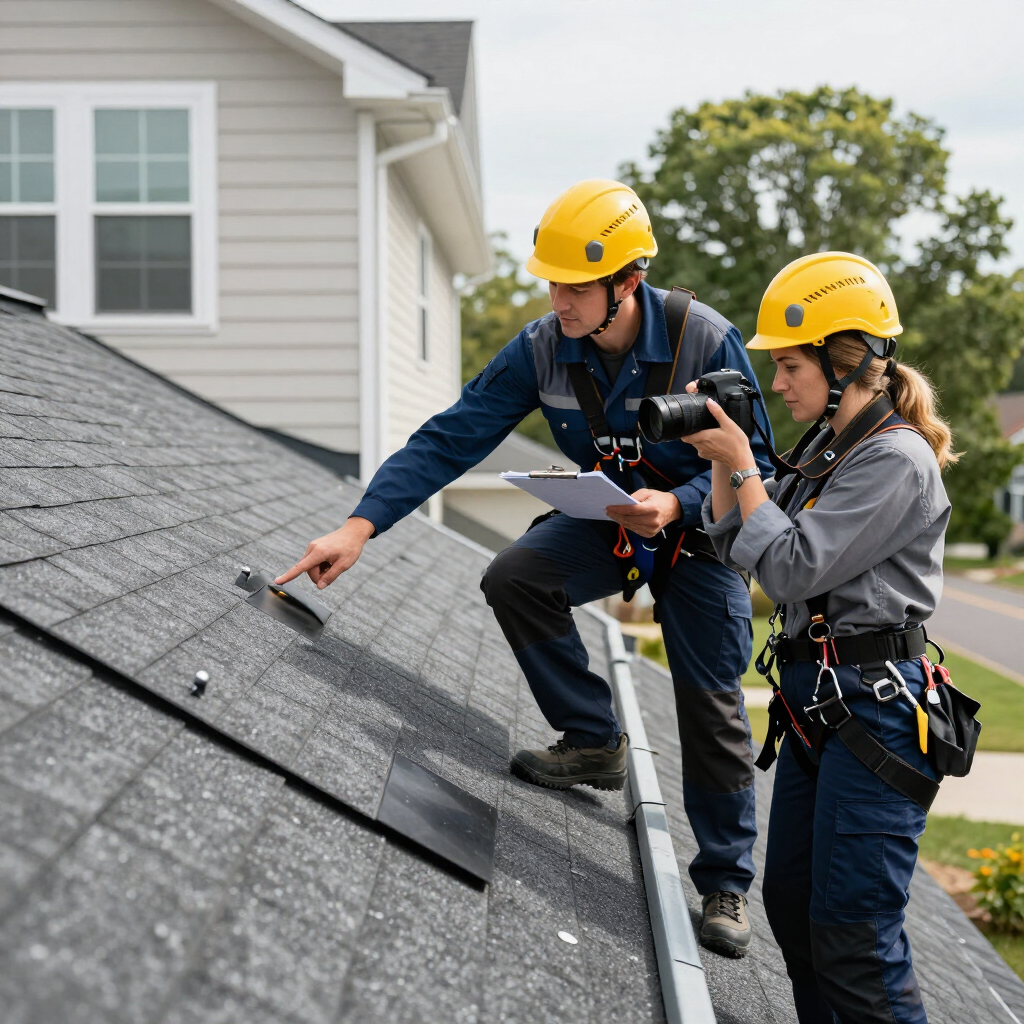
One thing we see constantly on Lakewood calls is hail damage that looks minor from the driveway but turns out to be much worse once we get on the roof. Bruised shingles and dented flashing don't always show from the ground, but they can lead to leaks within a season if they're missed.
What to Do Immediately Before Help Arrives
If you've confirmed it's an emergency, here's exactly what to do while help is on the way.
- Move furniture, electronics, and valuables away from the leak area.
- Place buckets or towels to catch dripping water if it's safe to do so.
- Avoid walking on the roof during or after a storm.
- Take photos of the damage for your insurance file.
- Turn off electricity near any active leak if you're unsure of the risk.
These steps won't fix the damage. But they can slow it down and protect your home until a roofer arrives.
Emergency Roof Repair vs. Standard Roof Repair: What's Different
Emergency roof repair and standard roof repair aren't the same service, and it helps to know the difference before you call.
| Emergency Repair | Standard Repair |
|---|---|
| Same-day or next-day response | Scheduled days or weeks out |
| Temporary tarping or stabilization | Full, permanent repair |
| Focused on stopping active damage | Focused on long-term fix |
| Initial on-site safety assessment | Planned scope and materials |
When we arrive for an emergency call, we assess the roof for immediate safety risks first. From there, we stabilize the area with a tarp or temporary patch to stop water from getting in. A full repair or replacement usually follows once the weather clears and materials can be sourced.
Insurance and Emergency Roof Damage in Colorado
Should you call your insurance company or your roofer first? In most cases, call the roofer first if you have active damage. A licensed roofer can document the problem, apply temporary protection, and give you the details your insurance company will need.
Keep these on hand for your claim:
- Photos and video of the damage, taken as soon as it's safe
- The date and time the damage occurred
- Notes on the storm event, such as hail size or wind speed if known
- Any temporary repair receipts
Colorado has specific windows for filing storm damage claims, so don't wait too long to start the process. What homeowners don't realize is that working with a roofer who has experience with local insurance adjusters can make the claims process move a lot faster. We've walked plenty of Lakewood homeowners through this exact process after a hailstorm.
When to Call an Emergency Roofer in Lakewood, CO
Here's a quick recap. Call an emergency roofer right away if you notice active leaking, a sagging roofline, exposed decking, storm or hail damage, or debris sitting on your roof.
Fast action limits how much damage spreads through your home. A small leak today can turn into rotted decking or ruined drywall in a matter of days. So don't wait until it gets worse.
We're a local team serving homeowners throughout Lakewood, CO, and we're ready to respond when storm damage hits. Reach out to the Lakewood emergency roofing team as soon as you spot a warning sign.
Your roof is too important to leave to chance. Whether you need a quick repair or a full replacement, Lakewood Roofing delivers the expertise, care, and integrity you deserve. Schedule your free estimate today by visiting
lakewood-roofing.com or calling their friendly team.