
Get Your Free Quote
We will get back to you as soon as possible.
Please try again later.
Wind Damage Roof Repair in Lakewood, CO
Fast, code-compliant wind damage roof repair for Lakewood homes. Schedule an inspection today and get a clear repair plan before the next storm.
Wind Damage Roof Repair
In Lakewood, CO, strong wind can lift, crease, or tear shingles loose fast. We repair wind damage on shingle roofs across town. We also catch the warning signs before a small tear turns into a bigger leak.
As a licensed roofing contractor, we know Lakewood's codes and its weather. So when storms roll through, we move fast. Inspections and repairs get scheduled quickly, especially right after a wind event.
Lakewood's permitting follows Jefferson County's high-wind nailing rules. Most repairs tying into your existing shingle field need a 6-nail pattern, not the standard 4-nail.
Contact Us
Building Quality Roofs That Stand The Test Of Time.
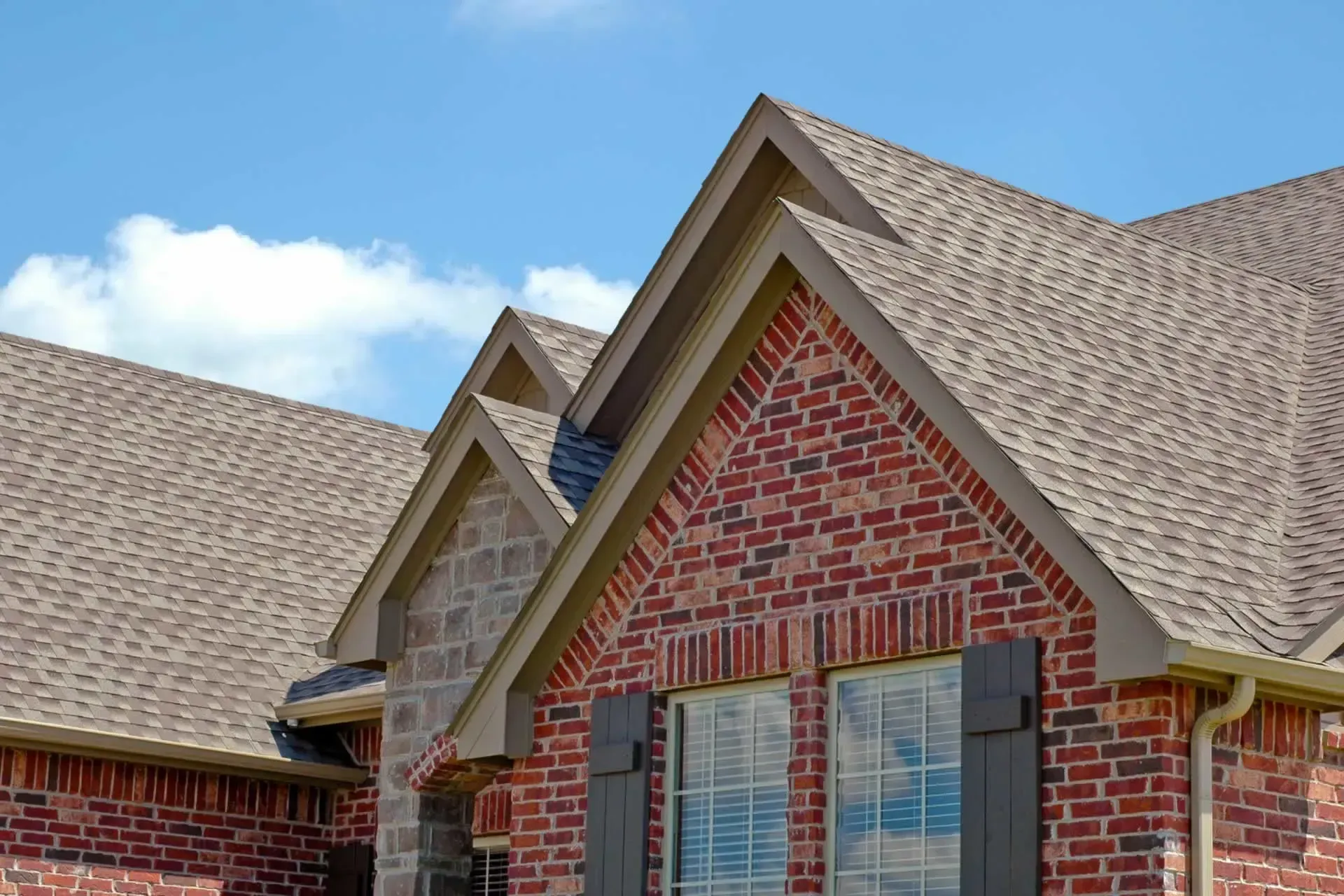
What Does Wind Damage Look Like on a Roof in Lakewood, CO?
Wind damage means shingles that are lifted, creased, or torn loose by strong gusts. In Lakewood, this often follows Chinook wind events off the foothills. Damage can be hard to spot from the ground. Our techs also check for nail backout and sealant separation, not just visible lift.
- Lifted or curled shingle edges
- Creases across the shingle surface
- Missing shingles or exposed nail heads
Wind Damage Shows Up Differently Than Hail Damage
Wind damage lifts, creases, or tears shingles loose. It doesn't leave the dents you'd see after a hailstorm.
Most Lakewood homeowners notice this after a strong wind event, not a hailstorm. A creased shingle looks small at first. But catching it early stops a bigger leak down the road.
Lakewood sits in a wind corridor off the foothills, so gusts are common here. One thing we see constantly on Lakewood calls: wind creases a shingle first, then hail finishes the job. The order matters for a proper repair plan.
Chinook Winds Put Lakewood Roofs at Extra Risk
Chinook winds bring gusts of 60 to 80 mph through Lakewood in winter and early spring.
Homes in west Lakewood, closer to the foothills, see the strongest gusts. Repairing lifted shingles before spring storms hit limits further damage. Freeze-thaw cycles keep sealant strips from bonding fully before winter sets in.
Most of the time when this happens in west Lakewood, shingles installed in October or November haven't sealed down by the first hard freeze. That leaves them loose and open to damage the next spring.
Proper Repair Means Matching Lakewood's Nailing and Material Codes
Wind repairs need a high-wind nailing pattern, not a standard one. This matters most on partial slope repairs that tie into your existing shingles.
A correct nailing pattern keeps the new patch from blowing off again. Lakewood's permitting follows Jefferson County's adopted wind code amendments.
What homeowners don't realize is that we use a 6-nail pattern on repairs, not the standard 4-nail.
Permits are required once a repair passes a certain size or involves sheathing work.
Older Lakewood Homes Need Extra Deck Inspection Before Repair
We check your roof decking before any new nails go in. Homes in Bonnie Brae and Green Mountain often have older, thinner decking.
Catching soft or rotted decking now stops a repeat failure later. Many Lakewood homes date back to the 1950s through the 1970s, with low-pitch roofs.
One thing we see constantly on these older Lakewood homes: original decking is thin plywood, often warped near the eaves. Cheap reroofs from the 2000s skipped the six-nail pattern and starter strip, so they're usually the first to fail in wind.
Wind-Resistant Upgrades Worth Considering After a Repair
Upgrading to impact-rated shingles adds extra wind and hail resistance. Many Lakewood homeowners choose this when doing a partial reroof.
A stronger starter strip and a sealed ridge cut down on future wind lift. Lakewood's elevation means more UV exposure, and that ages shingles faster than in lowland areas.
What homeowners don't realize is that repair patches using older or mismatched shingle stock tend to fail sooner. The replacement shingle wasn't sun-conditioned the same way as the rest of the roof.
What to Expect When You Book a Wind Damage Repair
A full roof inspection comes first. From there, we build a clear repair plan before any work starts.
Most Lakewood homeowners call us right after noticing lifted shingles post-storm. Detailed photos of the full slope protect you long-term if you ever need to file a claim.
Our repair calls cluster heavily from April through August, with a smaller rise in January and February. One thing we see constantly on every wind repair job: techs photograph the full slope and get close-ups of any nail backout or sealant separation before starting work. This is standard practice on every job we do.
Freqeuently Asked Questions
What does wind damage look like on shingles?
Look for lifted edges, creases, or missing
shingles. Damage often starts small and spreads if not repaired.
Can wind actually tear shingles off a roof?
Yes, strong gusts can tear shingles loose. This happens most often on shingles with a weak or unsealed edge.
How do professionals repair wind-damaged shingles?
Techs remove and replace damaged
shingles using a high-wind nailing pattern. This keeps the repair from failing again.
How can I make my roof more wind resistant?
Upgrading to impact-rated shingles helps. A proper starter strip and sealed ridge also add extra hold.
Do I need a permit for a wind damage repair in Lakewood?
Often yes, once a repair passes a certain size. Lakewood requires permits for repairs involving sheathing work too.
Will my HOA affect what materials I can use for a repair?
Yes, in some Lakewood neighborhoods. HOAs near Belmar and West Colfax often limit shingle color and style choices.