
Get Your Free Quote
We will get back to you as soon as possible.
Please try again later.
Tree Damage Roof Repair in Lakewood, CO
Fast, local repair for shingles, decking, and structural damage from fallen limbs. Same-day inspection and tarping available across Lakewood.
Tree Damage Roof Repair
In Lakewood, CO, mature trees and strong Front Range winds mean falling limbs damage roofs more often than you'd think. We handle everything from a simple shingle patch to full structural repair after a limb strike. First, we inspect the damage. Then we tarp what needs covering and schedule the repair. As a licensed roofing contractor, we handle both cosmetic fixes and structural repairs the right way.
And in Jefferson County, structural repairs like broken rafters or full decking replacement usually need a permit. Simple shingle patches don't — but once we open up the decking, that changes.
Contact Us
Building Quality Roofs That Stand The Test Of Time.
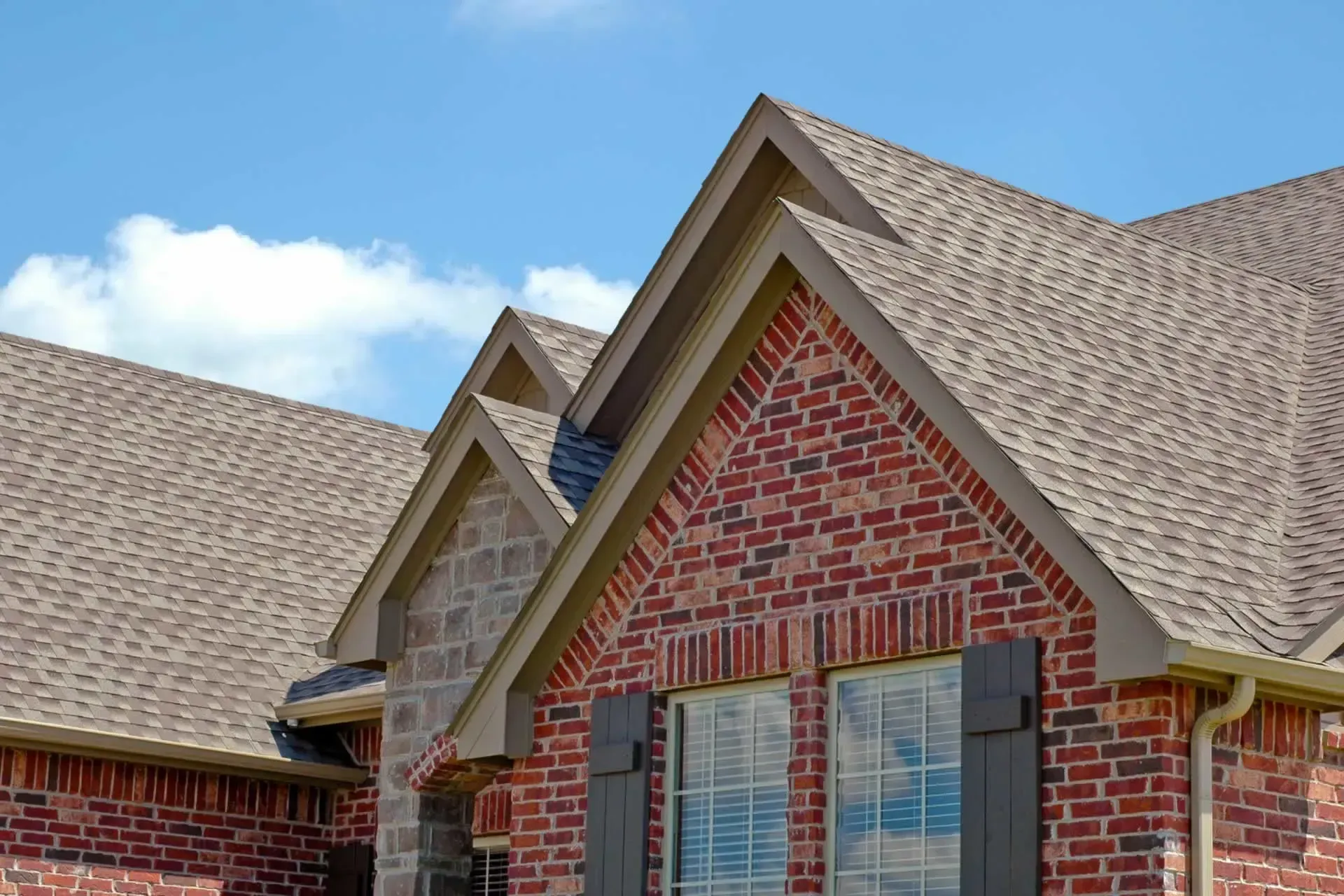
How to Repair Tree Damage on a Roof in Lakewood, CO
When a tree limb damages your roof, here's how we fix it, step by step.
- Inspect the roof for punctures, cracked shingles, and exposed decking
- Tarp any open area to stop water from getting in
- Check flashing and the ridge cap near the strike for wind damage
- Clear valleys and gutters of debris blocking drainage
- Remove and replace damaged shingles or felt
- Sister or replace the decking if it's soft or punctured
Even on calls that seem unrelated, our crew checks valleys and downspouts for cottonwood and pine debris — a habit that catches problems Lakewood homeowners often miss.
Tree Limb Roof Damage Signs Homeowners Miss in Lakewood
A falling limb can crack shingles, loosen tabs, or punch straight through the felt and decking.
Sometimes the damage is obvious. Other times it's a hairline crack you'd miss from the ground.
This shows up often on Lakewood roofs near mature tree canopy, especially in older neighborhoods. Catching it early matters. Front Range freeze-thaw cycling can turn a small crack into a full leak by spring.
One thing we see constantly on Lakewood calls: shingles over 8 years old have already lost their granules. So a patch won't blend in perfectly, and we tell homeowners that before we start the work.
Emergency Roof Tarping After a Storm
Tarping covers exposed decking or felt until we can make the permanent repair. We use it anytime a branch punches through to the decking layer underneath.
This step matters most during Lakewood's freeze-thaw winters, when open decking lets water in fast. Most limb drops here happen from wind gusts over 60 mph off the foothills, mostly November through March.
Most of the time when this happens in Lakewood, the same wind that dropped the limb also damages nearby flashing. We check that, plus the ridge cap, every time we tarp.
Shingle Patch vs. Structural Repair: What Tree Damage Really Needs
A cosmetic repair fixes shingles and felt, while a structural repair replaces rafters or decking underneath. Homeowners often assume a small hole just needs a patch. That's not always true.
Getting the diagnosis right upfront keeps us from planning the job too small. In Jefferson County, a permit kicks in once the decking or framing repair passes a certain size.
What homeowners don't realize is that older plank-decked roofs often hide soft or rotted decking under a small puncture. We check that before quoting a simple shingle swap.
Older Lakewood Homes Face Higher Tree Damage Risk
Homes built in the 1950s and 60s near Belmar and West Colfax often have low-slope roofs with original plank decking. Newer homes toward Green Mountain and Solterra use steeper pitches and OSB decking. That holds up differently under a limb strike.
Older roof types need a closer look after any tree damage. Near Applewood and in the Bonnie Brae pockets, old-growth trees often stand over homes built with lighter framing.
What homeowners don't realize is that some 1950s homes were framed with 2x4 rafters instead of today's 2x6. A mid-size limb strike can cause more structural damage on these roofs, even when the shingle patch looks small.
What Happens During a Tree Damage Roof Repair
Every repair starts with an inspection, and we tarp right away if the decking is exposed. After that, we match materials and make the repair.
This gives you a clear order of steps instead of a guessing game. Knowing the process also sets realistic expectations for timing.
Lakewood sits around 5,600 to 5,900 feet. That elevation speeds up shingle UV aging by 20 to 30% compared to sea level.
One thing we see constantly on Lakewood calls in late spring: cottonwood and pine debris clogs valleys fast. We check valleys and downspouts on every tree-damage call, even ones that seem unrelated.
Preventing Future Tree and Storm Damage
Trimming limbs that overhang your roofline cuts down on repeat damage. This helps most if you have mature trees close to the house. Fewer emergency calls means less wear over time.
Silver maple, cottonwood, and honeylocust canopy is heaviest in Lakewood's older, established neighborhoods.
What homeowners don't realize is that Solterra and other HOA-governed neighborhoods restrict shingle profiles and colors on street-facing slopes. We always check HOA rules before ordering material, since a mismatched patch can trigger a violation notice.
Freqeuently Asked Questions
Does insurance cover tree damage roof repair?
Often, yes, for sudden limb strikes. Coverage depends on your policy and the cause of the damage. A roofer can document the damage for your claim, but coverage decisions come from your insurer.
Can I repair tree damage myself?
Not recommended for anything past a surface scratch. Punctures and exposed decking need a proper inspection first. DIY patches can trap moisture and hide structural issues underneath.
Do I need a permit for tree damage roof repair in Lakewood?
Only for structural work. Jefferson County requires a permit when repair involves broken rafters or decking replacement
over a set size. Simple shingle patches typically don't need one.
How fast should tree damage be repaired?
Same-day tarping is best if decking or felt is exposed. Freeze-thaw cycles in Lakewood can turn a small opening into a bigger leak within weeks.
Will the repair match my existing shingles exactly?
Not perfectly on older roofs. Sun-faded,
granule-worn shingles won't blend seamlessly with new material, especially on roofs over 8 years old.
What usually causes tree limb damage on Lakewood roofs?
High wind gusts off the foothills, mostly November through March. These storms knock down limbs from mature trees common in older neighborhoods.