
Get Your Free Quote
We will get back to you as soon as possible.
Please try again later.
Metal Roof Installation in Lakewood, CO
Standing seam and stone-coated steel roofing built for Lakewood's hail, wind, and freeze-thaw swings. Get a code-compliant install scheduled with a local crew.
Metal Roof Installation
In Lakewood, CO, metal roofing works for both retrofits and new builds. You can choose standing seam or stone-coated steel, depending on your home's look and your budget. Before any install starts, we run a site visit, a roof inspection, and a permit review. As a roofing contractor working these streets every week, we match your install to Lakewood's wind and hail codes.
Jefferson County and Lakewood require Class 4 impact-rated assemblies for insurance premium discounts, and most adjusters check the UL 2218 documentation directly before approving that discount.
Contact Us
Building Quality Roofs That Stand The Test Of Time.
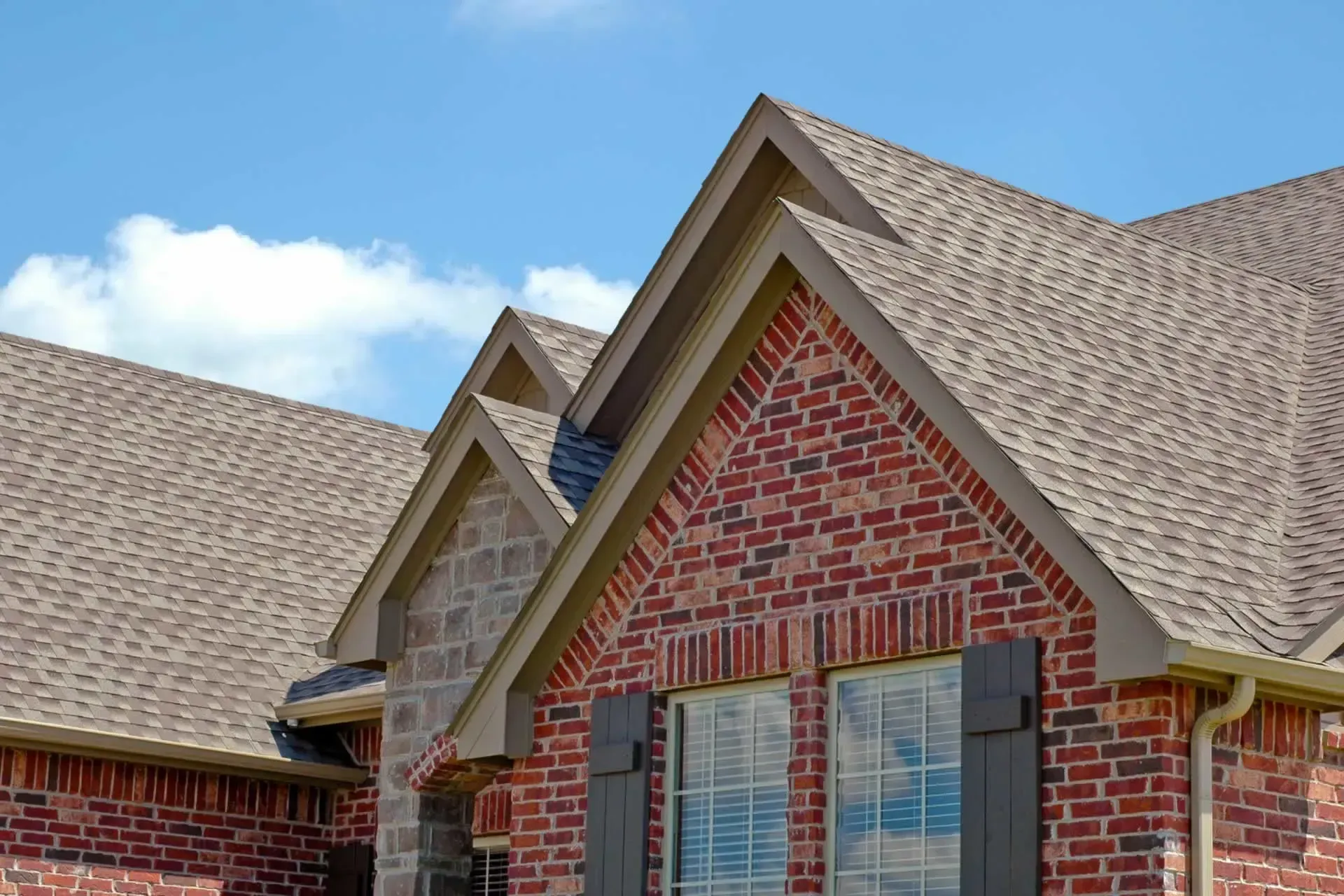
Standing Seam and Stone-Coated Steel Are the Two Metal Roof Options in Lakewood
Standing seam roofing uses hidden fasteners and raised seams that run the length of the panel. Stone-coated steel looks more like shingles or tile, but it's steel underneath. Homeowners near Green Mountain often pick standing seam for its hail resistance. Both options hold up against Colorado weather far better than asphalt shingles.
For Lakewood's hail exposure, 26-gauge standing seam is our baseline spec. So don't let a homeowner talk you into 29-gauge panels west of Wadsworth, where hail tends to hit heavier. That thinner gauge just won't hold up out there.
Underlayment and Decking Requirements for Lakewood's Freeze-Thaw Climate
Metal roofs need synthetic underlayment and solid decking underneath. Plastic sheeting alone won't cut it. Homes across Lakewood see temperature swings of 40 degrees in a single day, and that kind of swing stresses cheap materials fast.
Proper underlayment stops leaks caused by freeze-thaw cycling. Felt substitutes crack at the seams within two winters here. Synthetic underlayment with a wide service-temperature range isn't optional on any Lakewood tear-off — it's the baseline for every job we run.
Attaching Metal Roofing to Plywood and Older Skip- Sheathing Homes
Metal panels attach to solid decking using clips or exposed fasteners. Skip-sheathing homes often need an overlay first. Many 1950s-70s ranch homes near Molholm still have the original spaced sheathing under old wood shake.
Solid decking gives clips a secure hold and stops panels from shifting. Skip-sheathing under old shake won't take clips the right way. One thing we see constantly on Molholm and Sun Valley calls is a homeowner surprised by the decking overlay cost — we quote that up front, not as a change order tacked on later.
Wind and Hail Engineering Standards for Jefferson County Metal Roofs
Lakewood permitting requires wind load calculations for high-exposure zones. Fastening patterns need to be engineered, not guessed at. Homes along the foothills corridor west of Union Blvd face the highest wind exposure in the city.
Stamped wind calculations protect your roof and speed up permit approval. Foothills wind funnels straight through the Bear Creek and Green Mountain corridors. And that's why we tighten clip spacing on any west-facing slope, no matter what the base spec sheet says.
Roof Age and Storm Damage Signal When to Replace
Lakewood permitting requires wind load calculations for high-exposure zones. Fastening patterns need to be engineered, not guessed at. Homes along the foothills corridor west of Union Blvd face the highest wind exposure in the city.
Stamped wind calculations protect your roof and speed up permit approval. Foothills wind funnels straight through the Bear Creek and Green Mountain corridors. And that's why we tighten clip spacing on any west-facing slope, no matter what the base spec sheet says.
What to Expect During a Professional Metal Roof Installation
A professional install covers tear-off, a decking check, underlayment, and panel fastening in that order. DIY installs often skip steps that matter most. Homeowners who try a DIY metal roof usually hit a wall on clip spacing and flashing details.
A professional install avoids leaks and keeps your manufacturer warranty intact. At 5,300 feet, UV exposure wears down exposed fasteners faster than the manufacturer's spec sheet suggests. Exposed-fastener screw gaskets fail three to five years earlier than spec out here, especially on west and south-facing roofs.
Preparing Your Lakewood Home for a Metal Roof Retrofit
Retrofits often turn up rot or undersized rafters hiding under the old roofing. Newer homes usually need less prep work before install day. Older homes near Alameda and Wadsworth often hide double-layered shingles and patched decking underneath.
Early prep planning avoids schedule delays and surprise repairs mid-job. Newer homes near Belmar and Union have OSB decking but tighter attic ventilation. What homeowners don't realize is that post-2000 builds often need an added ridge vent or snow guards, since those attics weren't built with metal's thermal behavior in mind.
Freqeuently Asked Questions
Can I install a metal roof myself in Lakewood?
Not recommended for most homeowners.
Metal roofing needs precise clip spacing and flashing work. Mistakes here cause leaks that void manufacturer warranties. A pro installer also handles Jefferson County permit and wind-load
requirements.
Do you need plastic under a metal roof?
No, plastic sheeting alone isn't enough. Metal roofs need synthetic underlayment rated for temperature swings. Lakewood's freeze-thaw cycling breaks down cheaper materials fast.
Is plywood required before installing metal roofing?
Yes, solid decking is required for most
installs. Older homes with skip-sheathing usually need a plywood overlay. This gives clips and fasteners a secure hold.
Do metal roofs need an air gap in Colorado's climate?
Sometimes, depending on roof design
and ventilation. Steeper newer homes often need added ridge venting. This helps manage heat and moisture under the panels.
What's the biggest risk with metal roofs in hail-prone areas like Lakewood?
Denting on lighter-gauge panels during hail season. Jefferson County sees multiple significant hail events yearly. Choosing 26-gauge standing seam over thinner panels reduces this risk.