
Get Your Free Quote
We will get back to you as soon as possible.
Please try again later.
Flat Roof Repair in Lakewood, CO
Fast, code-compliant flat roof repair for EPDM, TPO, and modified bitumen roofs in Lakewood. Same-week inspections available, with emergency response for storm and drain-related leaks.
Flat Roof Repair
In Lakewood, CO, flat roof repair means fixing EPDM, TPO, and modified bitumen roofs on homes, condos, and low-slope additions. Lakewood Roofing is a local roofing contractor built around this kind of work, so we know what these roofs need. We offer inspections and repair scheduling, and we move fast when a leak is active. Jefferson County requires a permit for any re-cover over 100 sq ft or a full tear-off. Inspectors check tapered insulation slope too, not just the membrane on top.
Contact Us
Building Quality Roofs That Stand The Test Of Time.
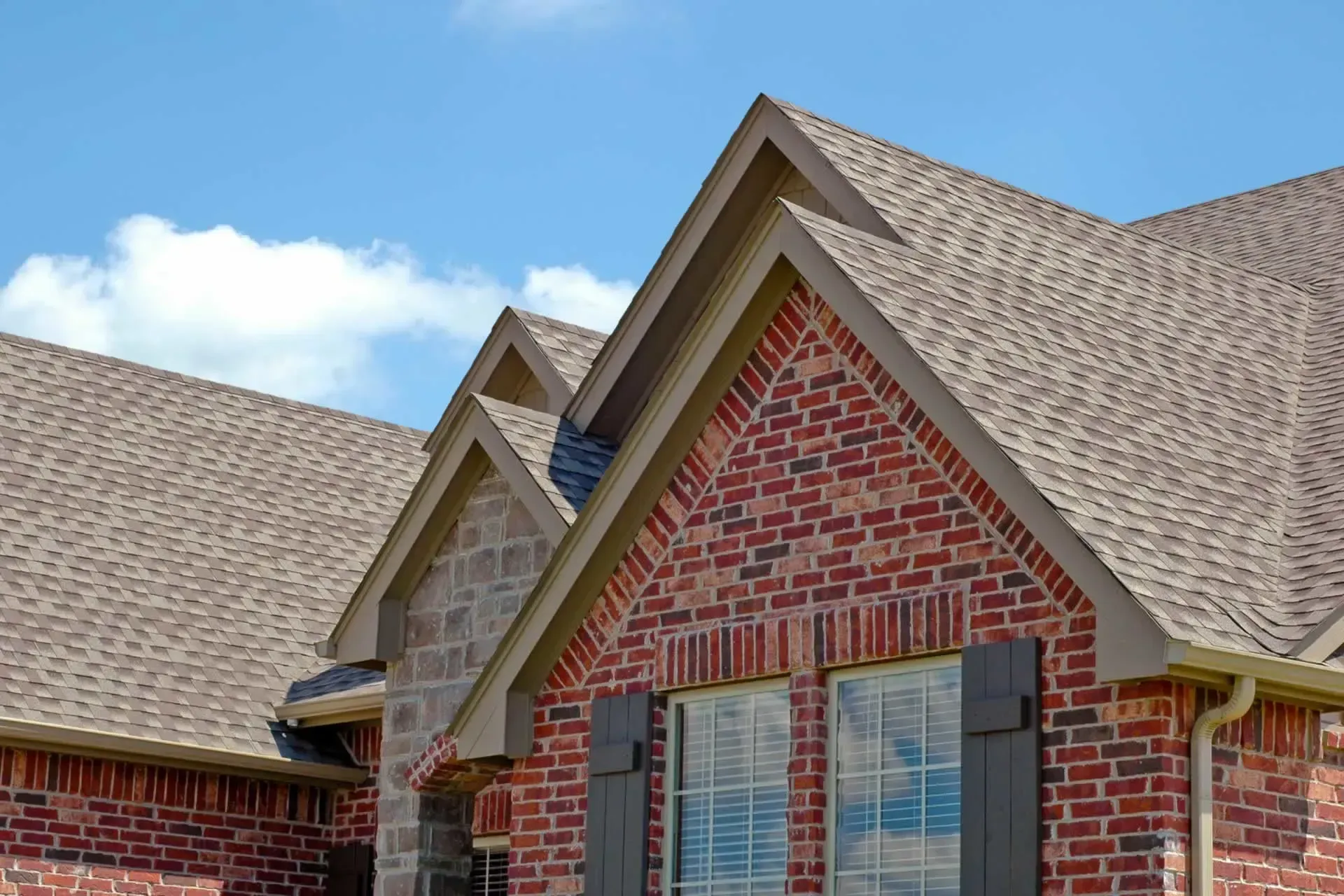
Flat Roof Repair Covers EPDM, TPO, and Modified Bitumen Systems
Flat roof repair fixes leaks, punctures, and worn seams on low-slope membranes. This shows up often on Lakewood ranch conversions, additions, and garden-style condos. Getting the membrane type right matters. Match it wrong, and the patch fails fast.
EPDM is still the most common system on older Lakewood buildings. TPO retrofits are growing too, mostly to reflect summer heat.
One thing we see constantly on Lakewood calls: many older buildings hide the real leak source under three or four layers of old roof coating instead of a proper repair. So the first job isn't patching. It's finding out what's actually underneath.
Lakewood's Hail Season Drives Most Spring and Summer Repairs
Hail bruises membranes and tires out seams, even when there's no visible puncture. Lakewood sits in one of the highest hail-frequency corridors in the country. That's why storm-related repair calls spike from May through August.
Catching hail damage early stops slow seam failure down the road. Wait too long, and a small bruise turns into a real leak.
What homeowners don't realize is that hail scarring shows up as pattern density across the whole membrane. It's not just a few separate hit marks. A trained eye can spot that pattern before it turns into water damage.
Ponding Water Is the Clearest Sign a Repair Is Overdue
Standing water breaks down membranes at seams and pitch pans over time. This is common on Lakewood roofs with low pitch and weak drainage.
Fixing drainage early stops repeat leaks in the same spot. But if the water keeps sitting, the problem keeps coming back.
Lakewood's freeze-thaw swings make this worse. Water sitting for more than 48 hours often marks the first failure point on a flat roof.
Most of the time when this happens in Lakewood, water pooling for two or more days at a seam is right where the leak starts. That's the first spot we check.
Jefferson County Permits and Inspections Shape the Repair Process
Certain flat roof repairs need a permit and a code inspection. This applies to Lakewood re-covers over 100 sq ft and any tear-off job.
Passing inspection the first time avoids delays and rework. Permit turnaround in Lakewood typically runs 5 to 10 business days, so timing matters when a repair is planned rather than urgent.
One thing we see constantly on Lakewood calls: inspectors check the fastener schedule on perimeter and corner zones for re-roofs over two squares. They don't just look at the membrane itself.
Older Lakewood Roof Decking Needs Extra Care During Repair
Original decking on older buildings changes how a repair gets done safely. This shows up often in Lakewood's 1960s-80s ranch conversions and garden apartment complexes.
Checking decking condition first avoids repairs that fail early. Decking in these buildings is often 1x6 or 1x8 tongue-and-groove, not plywood. And it can be soft with rot hiding under old roofing layers.
Parts of Belmar have underbuilt decking left over from cost-cut construction in the 1970s. It shows up as visible ponding even on a newer membrane. That's a decking problem, not a membrane problem, and no amount of patching fixes it.
What to Expect During a Flat Roof Repair Visit
A repair visit includes inspection, leak testing, and same-visit patching when it's possible. This fits Lakewood homeowners and property managers who need a fast turnaround.
Most active leaks get stopped in a single visit. But some jobs need HOA sign-off first.
Properties near Green Mountain and Applewood may need approval before any membrane color change. Reflective white membrane is sometimes flagged by HOAs as too bright against classic gravel-look roofs. So we get that approval lined up before ordering material, not after.
How Is a Flat Roof Repaired in Lakewood, CO?
Flat roof repair in Lakewood, CO follows six steps:
- Inspect the membrane and decking for punctures, seams, and soft spots.
- Run a moisture scan to find water trapped under the surface.
- Clear ponding water and check drains and scuppers for blockage.
- Cut back damaged membrane to sound material.
- Patch or re-cover with matching EPDM, TPO, or modified bitumen.
- Check tapered insulation slope and pull permits when Jefferson County requires them.
Frequently Asked Questions
How is a hole in a flat roof repaired?
Crews cut back the damaged area, then patch with matching membrane. They inspect the deck underneath before patching, especially on older Lakewood buildings with wood decking.
What causes most flat roof leaks in Lakewood?
Ponding water at seams and pitch pans is the top cause. Freeze-thaw cycling makes standing water worse, so drainage checks matter as much as membrane condition.
How long do flat roofs last in Lakewood's climate?
Flat roofs in Lakewood often wear out sooner than roofs at lower elevations. Higher UV exposure at altitude causes chalking and shrinkage 3-5 years earlier on unballasted EPDM.
Where do flat roofs leak most often?
Seams, pitch pans, and drains leak most. These spots take the most water exposure and movement over time.
Can a torch-down or felt roof be patched instead of replaced?
Often yes, if the deck underneath is sound. Older built-up roofs sometimes have coating layers that need to be removed first to confirm the actual leak source.